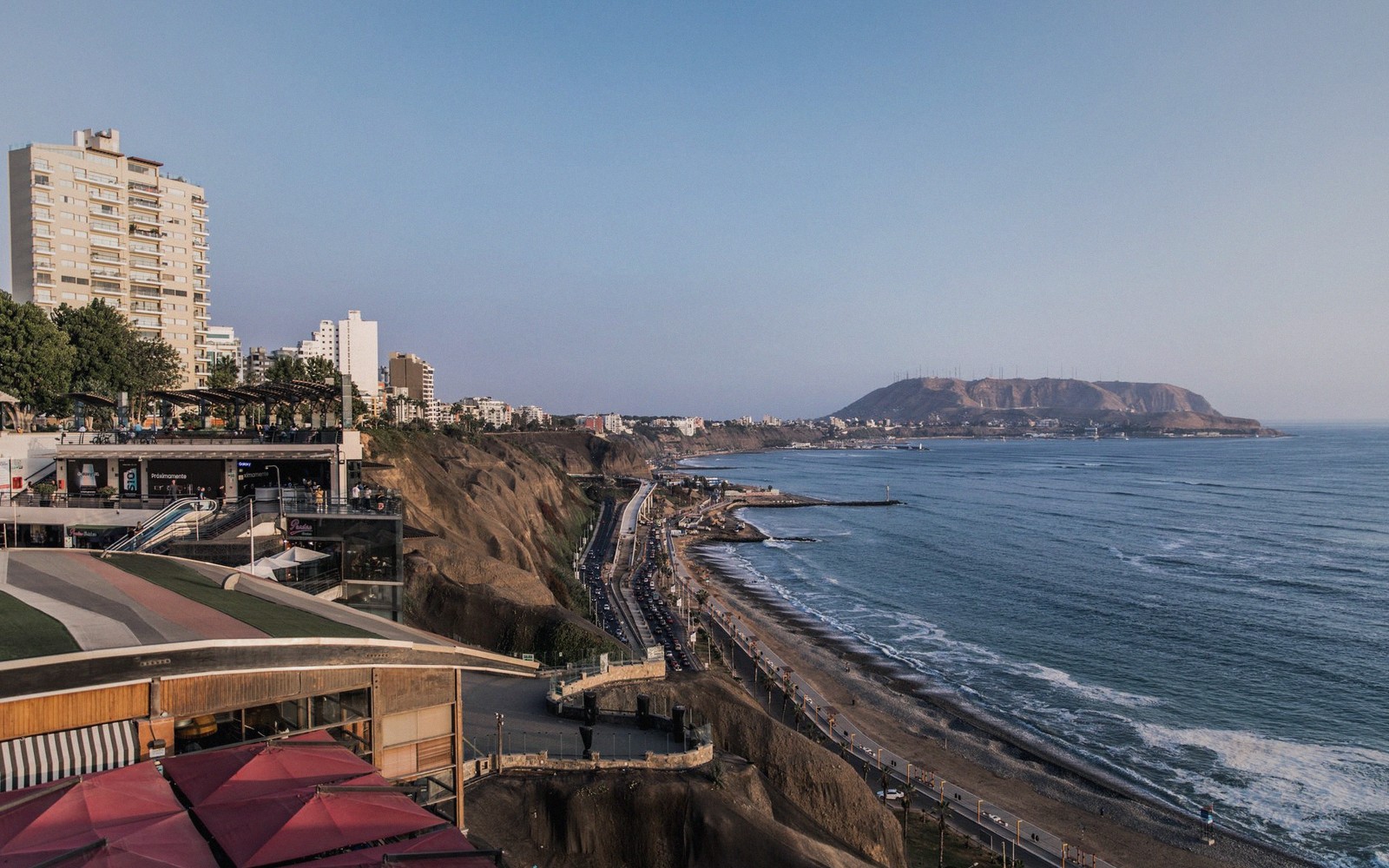
More than seven million Venezuelans have left their country since roughly 2015, making this one of the largest displacement crises in modern history — larger, by most measures, than the Syrian exodus at its peak. Peru absorbed more of them than any country outside Colombia, taking in well over a million by the early 2020s. For a time, that welcome looked like a model of regional solidarity. It no longer feels that way to many of the people who crossed those borders.
The gap between arrival and survival
Peru opened its doors at a moment when Venezuela's economic collapse was accelerating into freefall: hyperinflation had wiped out savings, hospitals ran without medicines, and basic food was rationed or simply absent. Venezuelans arrived in Lima and in secondary cities like Arequipa and Trujillo carrying professional credentials — engineering degrees, nursing licences, teaching qualifications — and discovered that those credentials counted for little in a labour market that had no obligation to recognise them and every incentive to exploit the newcomers' desperation.
The pattern that emerged was depressingly common across the region. Qualified professionals took whatever work was available: cleaning, street vending, waiting tables, delivering food by bicycle. Shifts of twelve hours or more became routine, not exceptional. Pay frequently fell below Peru's already modest minimum wage, particularly for those working informally — which, given the barriers to legal registration, meant the majority. The informal economy absorbed Venezuelans as it absorbs so many of the region's vulnerable workers: it gave them survival, not stability.
Housing followed the same logic. Overcrowded rooms in Lima's poorer districts, shared among large groups to keep costs manageable, became a defining feature of the Venezuelan experience in the city. Remittances sent back to family in Venezuela — sometimes just a few dollars a week — were still enough to make a meaningful difference at home, where the bolivar remained practically worthless. That financial tether to a broken economy kept many Venezuelans trapped in a calculation with no good answers: stay and endure, or go home to a country that had not fixed the reasons they left.
Resentment, racism and a welcome that curdled
The scale of Venezuelan arrival — and the speed of it — strained Peru's public services and unsettled its labour market in ways that fed genuine resentment. Local workers, many of them already vulnerable and informally employed themselves, found competition intensifying in exactly the sectors where they had the least protection. That economic friction found a ready outlet in xenophobia. Reports of discrimination against Venezuelans in hiring, in housing and in daily street life multiplied. Social media amplified hostility, and several incidents of violence against Venezuelan migrants made national news. Peru was not alone in this: Brazil experienced similar dynamics, and anti-Venezuelan sentiment has periodically surfaced in Ecuador, Chile and Colombia as host communities felt the pressure of numbers.
The politics shifted accordingly. Peru, which had initially extended relatively generous residency pathways, progressively tightened its immigration requirements — introducing passport demands and other hurdles that effectively made irregular status the default condition for many arrivals. A population that had entered legally found the bureaucratic ground shifting beneath them, leaving them more exposed, not less.
Maduro's return offer and its contradictions
Into this exhausted landscape, Nicolás Maduro's government has offered something it calls a voluntary return programme — a policy framework through which migrants who come back to Venezuela are promised assistance, including access to public-sector employment. The initiative has been promoted as a gesture of reintegration and, pointedly, as evidence that conditions in Venezuela have stabilised enough to make return viable.
Opposition figures and independent analysts have greeted these claims with scepticism. Venezuela's economy remains deeply distorted: dollarisation has stabilised some sectors, particularly in Caracas, while the interior of the country and its public institutions remain severely underfunded. Public-sector wages in Venezuela, even where jobs exist, have historically offered purchasing power that compares poorly even with the difficult wages available in Lima. The promise of a government job, in a state whose payroll has been hollowed out by years of fiscal collapse, carries limited credibility.
And yet: thousands of Venezuelans have queued at embassies and airports across the region to explore the possibility. That is not necessarily an endorsement of Maduro's programme — it is, more plausibly, a measure of how unbearable parts of the migration experience have become. When discrimination, underpayment and legal precariousness are the daily texture of life abroad, the pull of home — even an imperfect, still-troubled home — can outweigh the rational calculus that drove departure in the first place.
The Venezuelan crisis has never been a single event with a clean resolution; it is a slow-motion catastrophe that continues to reshape the region long after the dramatic peak of the exodus. What is changing now is the nature of the desperation. For Venezuelans in Peru, the question is no longer simply whether to leave Venezuela. It is whether the place they fled to has truly offered them anything better — and for a significant and growing number, the honest answer is no longer obviously yes.