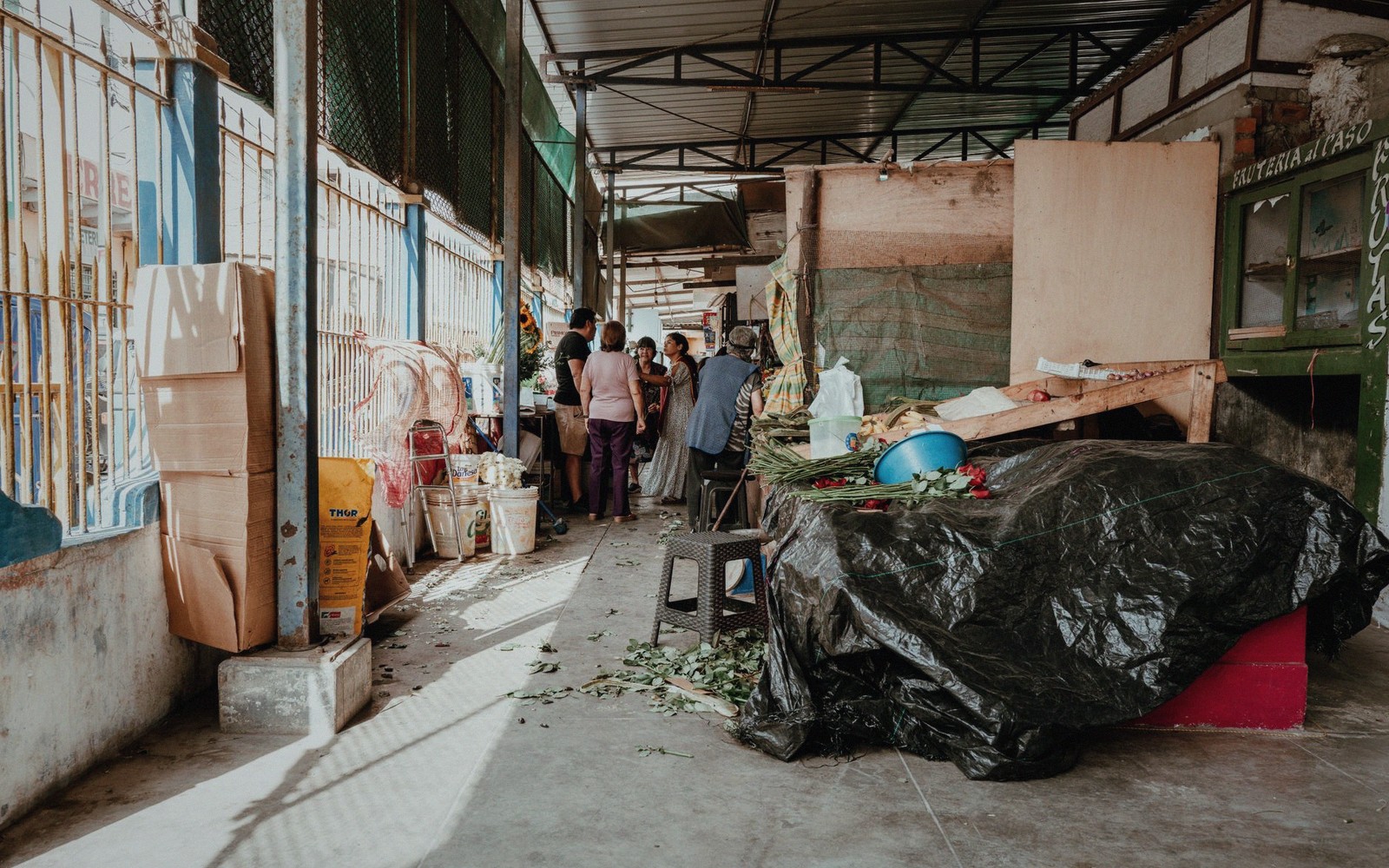
The Economy Beneath the Economy
Walk through any Latin American city at seven in the morning and the informal economy is already running — the woman selling arepas from a gas canister stove, the man fixing phones from a plastic table, the bicycle courier who keeps no invoice and pays no social security. The International Labour Organization estimates that roughly half of all workers across the region operate outside formal employment arrangements. In some countries, notably Bolivia, Honduras and Paraguay, the figure runs considerably higher.
This is not a footnote to Latin American economics. It is the main text. Informality defines how the majority of working people earn, spend, lose and survive. Yet orthodox policy has long treated it as a problem to be solved rather than a structure to be understood — a stance that has produced generations of reforms that never quite land.
The informal sector spans enormous variety. Street vendors and domestic workers are its most visible face, but the same logic extends upward: small manufacturers who pay wages cash-in-hand, construction contractors who rotate workers off formal payrolls the moment a project ends, transport cooperatives that operate under agreements the state neither recognises nor regulates. What unites them is the absence of the protections — and obligations — that formal employment carries: no pension contributions, no unemployment insurance, no regulated hours.
For workers, this is a double bind. Informality offers flexibility and immediate income, particularly in economies where formal jobs are scarce or badly paid. But it also means no safety net when illness strikes, no retirement savings, and a persistent exclusion from credit markets that require proof of stable income. The pandemic made the arithmetic brutal: when lockdowns came, informal workers had neither severance nor savings to fall back on.
For governments, the fiscal consequences are substantial. A workforce that is half off the books is a tax base that is permanently undersized — limiting what states can spend on the health systems, schools and infrastructure that might, eventually, draw more workers into formality. It is a slow-moving fiscal trap, and there is no clean exit.
Some countries have attempted partial solutions: simplified tax regimes for small enterprises, conditional cash transfer programmes that reach informal households, portable social security accounts that travel with the worker rather than the employer. None has broken the cycle at scale. The informal economy is not a policy failure waiting to be corrected. It is the architecture of labour markets that formal institutions were never built to serve.