Ink That Dries in Public
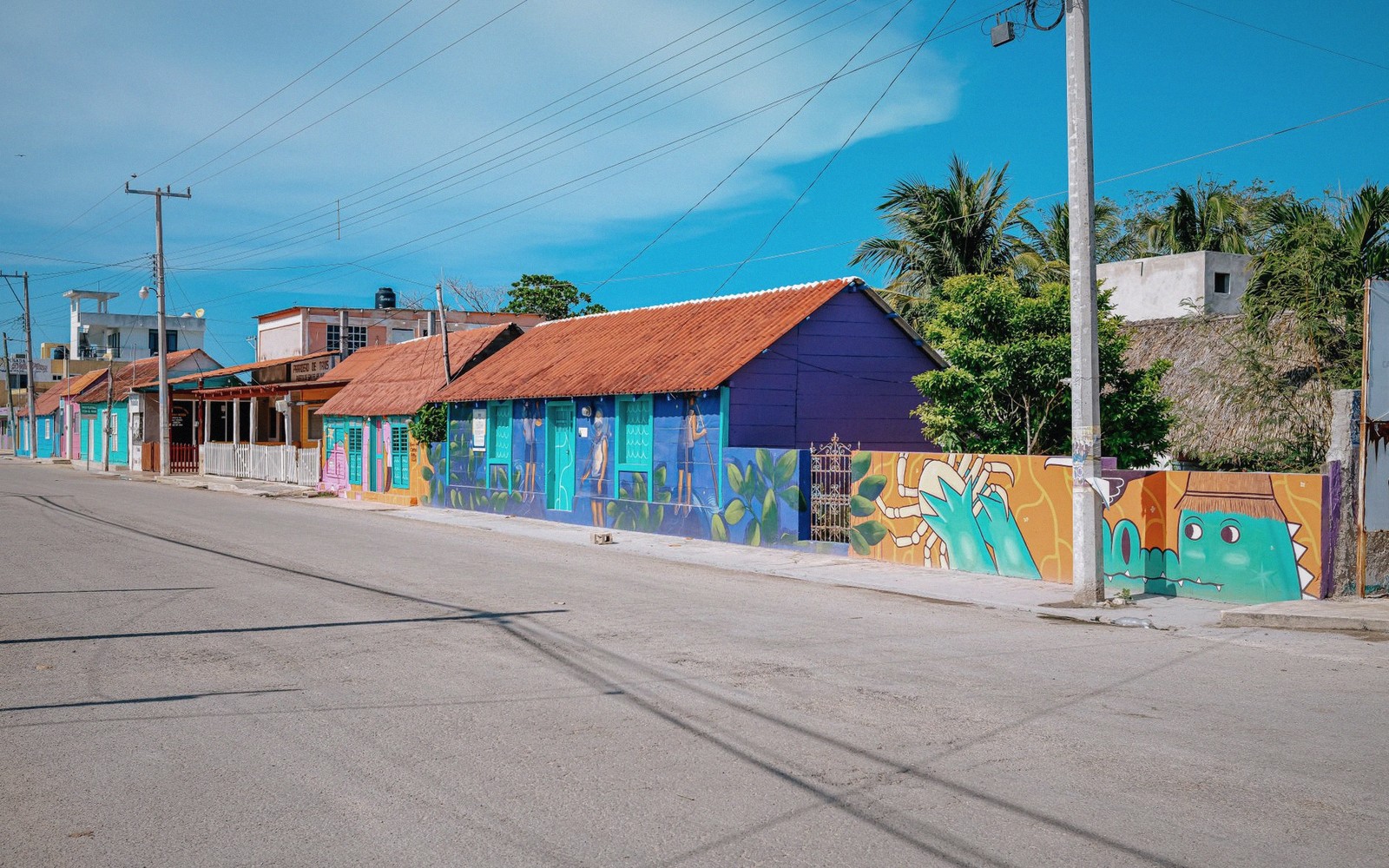
Latin America invented the political mural as mass media. When Diego Rivera, José Clemente Orozco and David Alfaro Siqueiros covered the public buildings of post-revolutionary Mexico with scenes of conquest, labour and liberation in the 1920s and 1930s, they were doing something newspapers couldn't: speaking to a largely illiterate population in images too large to ignore. The wall was the original broadcast.
That tradition never died; it simply migrated. Chile's Brigada Ramona Parra, the Communist Party's painted brigade, turned Santiago's streets into a running campaign in the 1960s and 1970s — until Pinochet's forces whitewashed them and the murals became, in their erasure, a different kind of news. In Medellín, street art arrived alongside urban renewal in the comunas and has since become inseparable from the city's improbable self-reinvention. Buenos Aires's escraches — public shaming actions against unprosecuted military torturers — were never complete without someone painting the accusation onto the nearest wall.
What the form offers is immediacy and deniability in equal measure. A mural can go up overnight, document a police killing before any camera arrives, or mourn a disappeared person by name. It can also be buffed away by morning. Authoritarian governments understand the stakes: Venezuela's Chavista administration was famously selective about which murals received official protection, and Brazil's Bolsonaro years saw a sharp uptick in the defacement of politically inconvenient art. The wall that speaks can be silenced; that, too, is the message.
Street art today is simultaneously more global and more local than it has ever been — Instagram has turned every painted alley into a potential gallery, flattening context in the process. But the best of it still does what Rivera's scaffolding did: it names something, in a place you cannot look away.