Margins as Engine
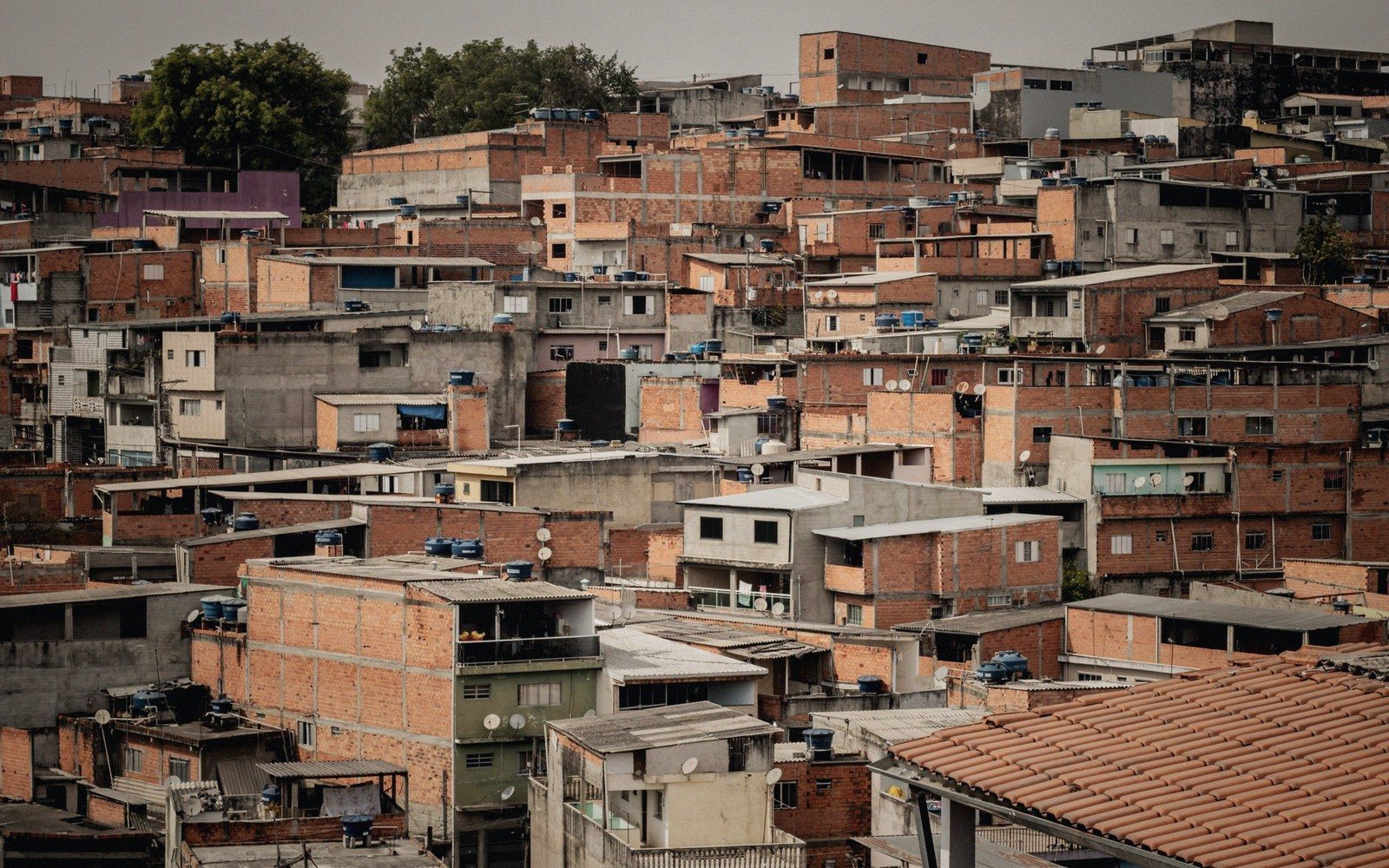
São Paulo's periferia has always made music. What has changed is who decides what that music becomes. For decades, sounds born in the outer rings of Brazil's largest city — funk, pagode, forró nordestino reinterpreted through urban migration — fed into a commercial mainstream that absorbed, rebranded and profited while rarely crediting the source. The pattern is old and recognizable: the margin generates, the centre monetizes. But something has shifted, and the shift feels structural rather than cyclical.
The catalyst is a convergence of digital distribution, a generation of producers who refused to relocate, and a cultural self-confidence that goes by several names depending on the neighborhood. What critics and journalists increasingly call the som da periferia — the sound of the periphery — is not a single genre. It is a posture, an insistence on origin, and an aesthetic that borrows freely while remaining defiantly local.
Funk, Trap and the Grammar of the Quebrada
Funk paulistano — distinct from carioca funk in tempo and lyrical register — has been the foundation. São Paulo's outer boroughs developed their own cadence, harder and more compressed than Rio's, with lyrics that narrate everyday life in the quebradas with documentary precision. The genre spent years dismissed by press and radio alike as crime-adjacent noise. That dismissal is now almost impossible to maintain when its artists are selling out mid-size venues and appearing on streaming platforms alongside artists who trained at São Paulo's elite conservatories.
The more interesting development is what happens at the edges of funk. A generation of producers, many based in the Zona Sul and the Zona Leste, began layering phonk elements and Afrobeat percussion into the funk chassis — not as genre tourism but because those sounds circulate freely in the same peripheral networks where funk was already rooted. The batidão — the driving, percussive beat underlying much of the scene — now sits comfortably alongside synthesizer lines that owe as much to Lagos as to Los Santos.
Trap arrived in São Paulo's periphery and did not so much displace funk as intermarry with it. Brazilian trap, especially in the hands of artists from communities in Capão Redondo, Grajaú and Campo Limpo, absorbed the genre's slower tempos and melodic hooks while retaining the urgent social narration of funk. The lyrical content — unemployment, police violence, loyalty, aspiration — remained but acquired new sonic clothing. Meanwhile, the emergence of artists who perform in both Portuguese and a São Paulo street vernacular thick with gíria has begun reshaping what commercially viable Portuguese-language pop can sound like.
Infrastructure of Independence
What makes this moment different from earlier cycles of peripheral sound breaking through is infrastructure. Digital distribution, particularly through platforms that allow independent artists to upload and monetize without a label intermediary, has allowed producers and artists to retain creative and commercial control at a scale that was simply not available in the early 2000s. The beat markets — informal networks through which producers sell or lease beats to artists — have migrated from WhatsApp groups to dedicated platforms, professionalizing a micro-economy that previously operated entirely off the books.
Collectives have played an equally important role. Several artist-led groups across the Zona Sul function simultaneously as booking agencies, recording studios and community cultural spaces. They provide what the traditional label system never offered to peripheral artists: proximity to the audience, control over the release timeline, and ownership of the master recordings. The result is an artistic scene that has become harder for the commercial mainstream to co-opt on unfavorable terms, because the creators already hold the leverage.
This infrastructure has social weight beyond music. The collectives that organize the scene run workshops, document neighborhood history and push back — formally and informally — against the erasure of peripheral culture from official narratives of the city. São Paulo's municipal cultural policy has oscillated between ignoring this world and claiming credit for it; the scene's relative self-sufficiency means that public recognition, while welcome, is no longer a condition of survival.
What the periferia is doing to Brazilian pop right now is not unprecedented in global terms — the story of margins remaking mainstreams runs from Kingston to Compton to Johannesburg. But in São Paulo, with its sheer scale and its deep inequalities, the fact that the periphery is writing the new grammar of the city's sound without waiting for permission feels like something more than a music story.