The Plate Holds More Than It Looks
Ask a Venezuelan whether the arepa is round or oval, stuffed or plain, corn or wheat, and you have started an argument that will outlast dinner. Ask a Colombian the same question and you have started a different argument entirely — one in which Venezuela's claim to the arepa is itself contested. The dish predates both nations, but the nations have spent decades deciding who owns it.
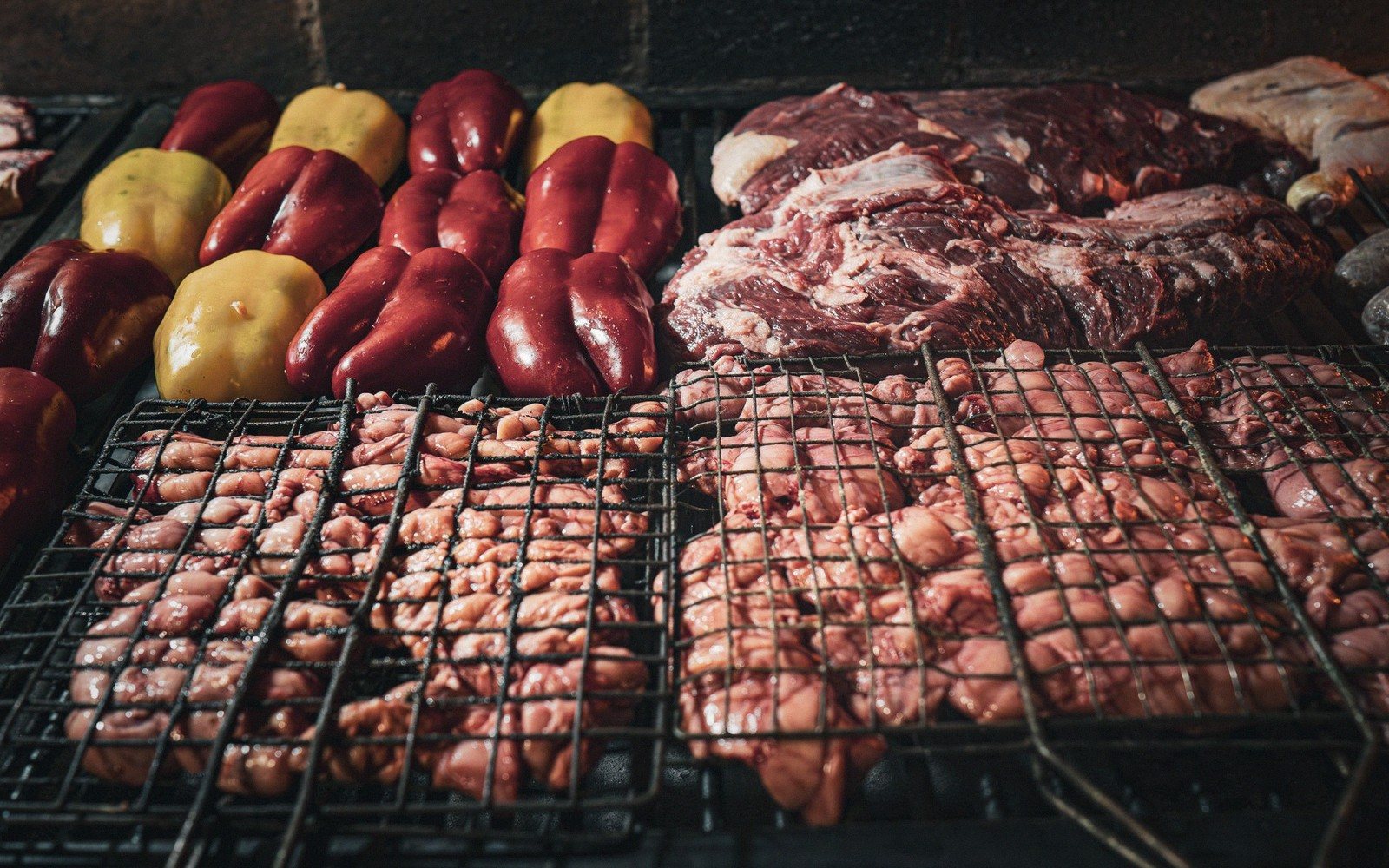
This is how food works in Latin America: the plate is a proxy. What looks like culinary pride is usually a debate about identity, history, sovereignty, and belonging. The arepa war is a border dispute conducted in kitchens. So is the rivalry between Argentina's asado and Brazil's churrasco — two traditions rooted in the same Río de la Plata cattle culture, now carrying the full weight of two national mythologies about land, masculinity, and who civilized the pampas first.
The stakes sharpen further when migration enters. As Venezuelans moved across the continent over the past decade, they carried their arepas, their hallacas, their tequeños into cities that had never seen them. Those foods became acts of cultural assertion — a way of remaining Venezuelan when Venezuela was thousands of kilometres away. Host communities received them with varying degrees of welcome. A food stall can absorb affection or absorb resentment, depending on the political weather.
Indigenous foods complicate the argument further, in ways nationalism rarely welcomes. The quinoa that Peruvian and Bolivian chefs now serve as heritage cuisine was, for most of the twentieth century, dismissed as peasant food — Indian food, a term not meant kindly. Its rehabilitation maps almost exactly onto the rehabilitation of indigenous identity as a political force. The plate changed when the politics changed.
None of this is unique to Latin America, but the region makes the argument with unusual intensity. Partly this is because the underlying questions — who was here first, whose culture counts, what the nation actually is — remain genuinely unresolved. Partly it is because the table is one of the few spaces where those questions can be raised without immediately reaching for a constitution or a complaint.
The cachapa and the arepa are not the same thing. Venezuelans will tell you this at length. What they are telling you, beneath it, is that identity is specific, that specificity matters, and that the fight over details is how you know something is real.