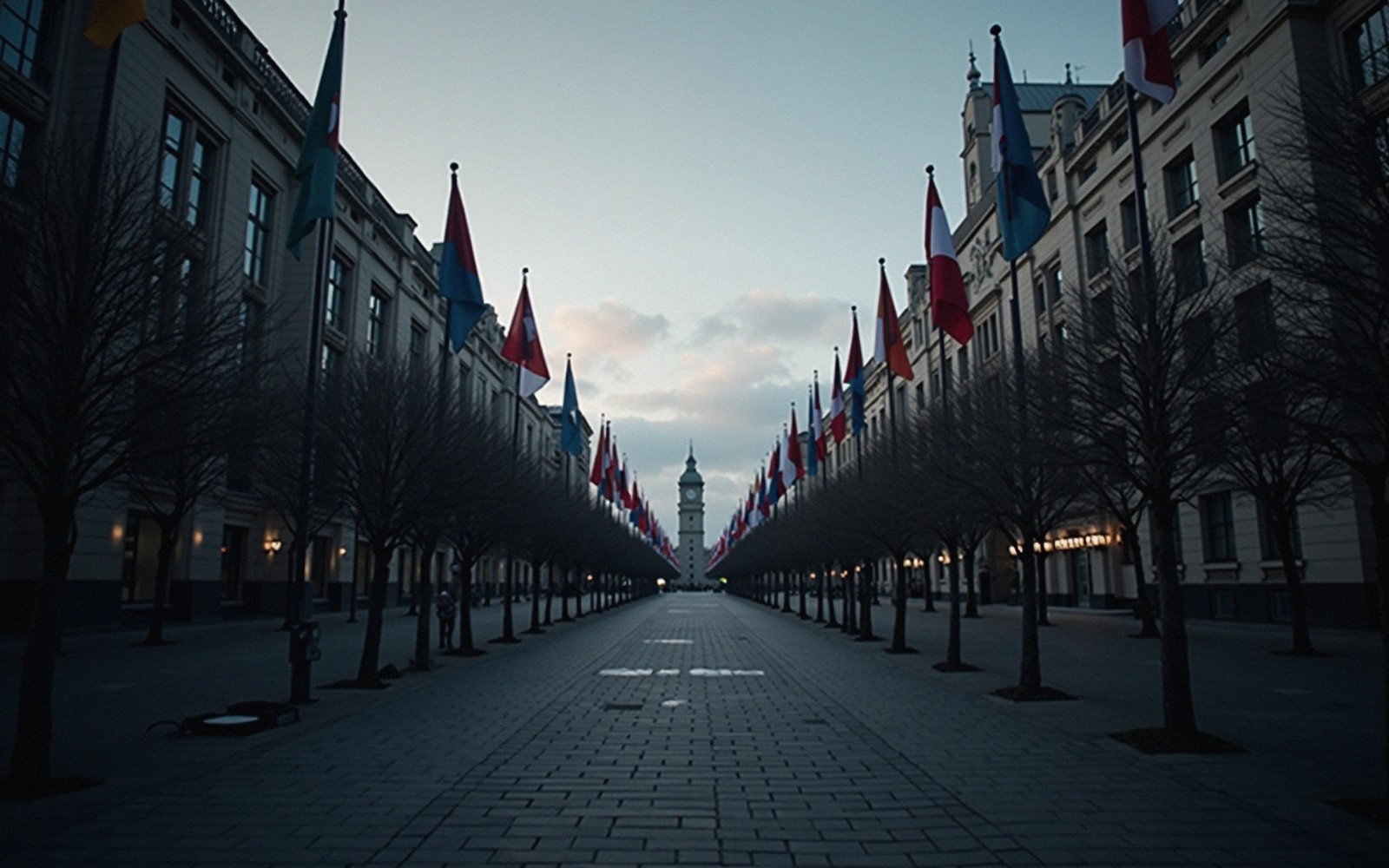
Still the Region's Parliament of Last Resort
The barricade didn't disappear after the great protest wave that shook Chile, Colombia, Ecuador and Bolivia between 2019 and 2021. It evolved. Today's street mobilizations are leaner, more targeted and often harder to read on a left-right axis than their predecessors. A pension reform triggers marches in one capital; a president's authoritarian slide triggers them in another; rising food prices empty a third into the plazas — sometimes all at once, rarely with the same coalition twice.
What endures is the logic: in a region where courts vs. presidents has become a defining tension and legislatures frequently fail to absorb popular grievance, the street remains the fastest feedback mechanism ordinary citizens have. Institutional channels are either too slow, too captured or too fragile to process anger at the pace it builds. So the protest persists as a structural feature, not an exceptional one.
The sociology has shifted, though. The urban middle class that drove the estallido in Santiago and the paro nacional in Bogotá has partially retreated, fatigued or disappointed by the electoral results those protests helped produce. In their place, more localized mobilizations have grown: Indigenous land-rights blockades in the Andes, feminist collectives sustaining pressure on femicide legislation, transport unions converting fuel grievances into political leverage. Fragmentation is the new normal.
None of this means protest is weaker. It means its victories are narrower — a specific law reversed, a minister removed, a project halted — rather than the system-rewriting ambitions of 2019. That may be a maturation of tactics, or simply the exhaustion of maximalism. Either way, the plaza remains open, and people keep arriving.